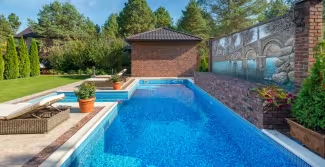
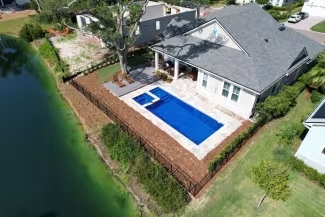
A realistic pool budget includes more than the shell or base installation package. Understanding the complete project scope helps homeowners compare proposals accurately and make informed decisions before construction begins.
Separate essential and optional costs
Start with the pool, standard equipment, excavation, plumbing, electrical work, permits, required safety features, and the included deck area. Then list optional upgrades such as heating, automation, lighting, water features, expanded decking, landscaping, fencing, and outdoor living improvements.
Consider property-specific work
Access limitations, drainage, soil conditions, utility relocation, grading, retaining structures, and restoration work may affect the final cost. Ask how the contractor handles unexpected site conditions and which responsibilities belong to the homeowner.
Plan for ownership expenses
Include electricity, water, routine chemicals, cleaning, equipment service, insurance considerations, and future repairs in the long-term budget. If financing is required, compare the annual percentage rate, term, fees, monthly payment, and prepayment rules using current written information from qualified providers.